What to Look for in an Oklahoma City Electrician for Reliable Electrical Services
What to Look for in an Oklahoma City Electrician for Reliable Electrical Services
Blog Article
Licensed Electrician for Safe and Efficient Electrical Solutions
Retaining a licensed electrician constitutes a critical decision for both commercial and residential facilities. Their expertise ensures compliance with local codes, supporting safety and efficiency in electrical operations. Overlooking electrical challenges can result in serious risks, encompassing fires and shocks. Understanding the responsibility of a licensed electrician can illuminate why their services are indispensable. What factors should one evaluate when determining the appropriate professional for specific needs?
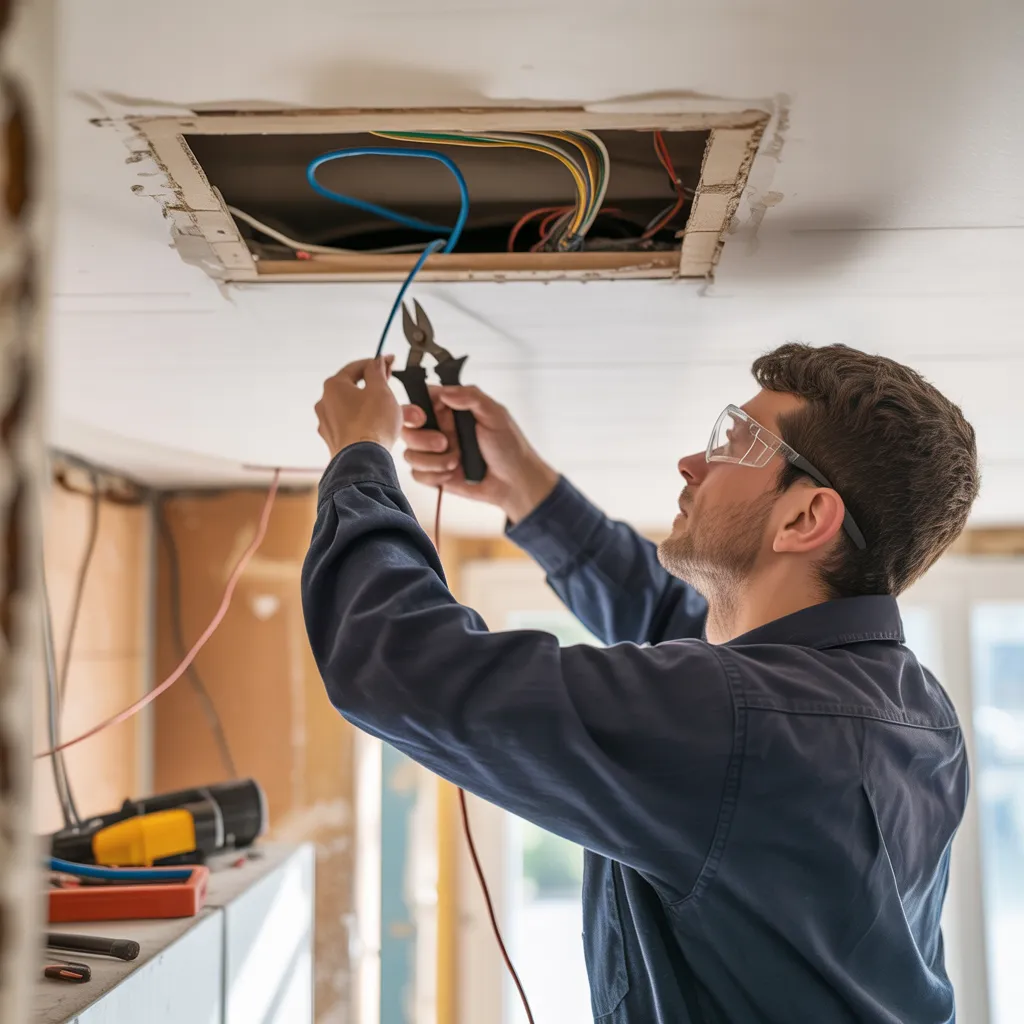
Regular Electric Troubles You Must Not Disregard
Many householders may overlook typical electrical difficulties, but addressing these issues promptly is essential for safety and efficiency. Flickering lights often reveal a not securely fitted bulb or improper wiring, which can progress into more dangerous conditions. Similarly, frequent breaker activations reveal an overburdened electrical system or potential short-circuit situations, both demanding swift intervention. Overheating outlets can lead to fire hazards, pointing towards aged wiring or incompatible devices. Owners should also be alert to unusual electrical smells, as they may suggest overheated insulation or other major concerns. Finally, if outlets or switches become warm to touch, this can suggest a serious electrical fault. Detecting these problems early can prevent accidents and costly repairs, ensuring a more secure home setting. By giving priority to solving these common electrical challenges, homeowners can maintain the efficiency and safety of their electrical systems.
Why Choosing a Registered Electrician Is Indispensable
Appointing a licensed electrician is indispensable for ensuring compliance with electrical codes, which are fashioned to shield property and lives. Their proficiency not only guarantees sound installation and upkeep but also prioritizes safety in potentially hazardous situations. By appointing a certified practitioner, homeowners can evade costly mistakes and improve the longevity of their electrical systems.
Following Power Requirements
Making sure of conformity with electrical codes is vital for the safety and operation of any electrical installation. Licensed electricians carry the view now knowledge needed to handle the complicated regulations that govern electrical work. These codes are created to protect persons and belongings from electrical hazards, assuring that installations are safe and reliable. Failure to comply with these codes can bring about serious effects, including electrical ignitions, equipment breakdown, or expensive repairs. Also, many local authorities require permits for electrical work, which licensed electricians can seamlessly obtain. By contracting a licensed professional, homeowners and businesses can confirm that their electrical systems meet all mandatory standards, thereby building a more protected environment and improving the longevity of the installation. Compliance is not merely a legal responsibility; it is a key part of ethical electrical work.
Expertise And Safety Assurance
A professional electrician who is certified serves as an essential component in safeguarding the security and consistency of power systems. Their thorough education and proficiency equip them with the ability to diagnose and address intricate electrical complications, curtailing dangers caused by faulty wiring or inadequate installations. Licensed electricians maintain strict safety protocols, substantially decreasing the possibility of accidents or code violations. Moreover, they are knowledgeable about state and federal electrical guidelines, which ensures regulatory alignment and protects homeowners from conceivable legal exposure. By hiring a licensed electrician, people can rest assured that their power requirements are executed with exactness, fostering a secure environment. Ultimately, this investment in professional expertise yields confidence and security and sustained cost benefits in repair work and servicing.
What You Must Be Cognizant of About Local Electrical Codes
Studying local electrical codes is paramount for ensuring safety standards and regulatory compliance in any electrical work. These codes not only differ across regions but also prescribe important safety guidelines that must be honored. A licensed electrical technician is deeply versed in these mandates, making their know-how precious for any endeavor.
Value Of Electrical Specifications
Commitment to electrical standards acts as an essential structure for safety and efficiency in electrical systems. These codes, set forth by local and national authorities, guarantee that electrical systems are installed and designed to minimize risks such as electrical fires, shocks, and equipment failures. Compliance with these regulations promotes uniformity in building practices, enabling inspections and maintenance. Additionally, electrical standards are periodically updated to account for improvements in safety practices and technology, making it vital for electricians to remain current. By adhering to these codes, licensed electricians not only safeguard people but also enhance the durability and dependability of electrical systems. Ultimately, the significance of electrical standards cannot be overstated, as they serve a critical function in protecting both property and people.
Municipal Code Differences Broken Down
While electrical codes establish a foundational standard for security, local variations often demonstrate the individual demands and situations of certain communities. These area regulations may address factors such as environmental conditions, population density, and legacy systems. For example, areas prone to severe weather may have stricter guidelines for outdoor installations, while areas with aged construction might necessitate special considerations for modernizing. Additionally, local authorities may introduce codes to advance energy efficiency or sustainability, matching with regional goals. Grasping these variations is vital for homeowners and contractors, as compliance assures not only protection but also the longevity of power infrastructure. Ultimately, working with a licensed electrician knowledgeable with community rules is critical for completing projects effectively. guarantees not only safeguarding but also the persistence of electrical systems. Ultimately, engaging with a certified electrician familiar with area codes is essential for While electrical codes institute a primary norm for accident prevention, regional modifications often indicate the unique needs and environments of specific communities. These regional ordinances may address factors such as climate, population density, and historical infrastructure. For case study, areas prone to severe weather may have stricter parameters for outdoor installations, while antiquated urban areas might require adapted approaches for system updates. Additionally, local authorities may enforce codes to promote consumption reduction or environmental stewardship, conforming with area priorities. Comprehending these variations is paramount for owners and construction firms, as conformity secures not only safety but also the longevity of electrical systems. Ultimately, consulting with a licensed electrician experienced with local regulations is absolutely necessary for successful project completion.
Conformance And Safety Guidelines
How can homeowners guarantee their electrical installations comply with security requirements? Comprehending regional electrical regulations is vital for confirming adherence and protection. These codes are created to protect both property and individuals from electrical hazards. Homeowners should consult with certified electrical professionals who are knowledgeable about these regulations, as they differ by location and may evolve. Regular inspections can help detect possible problems before they become serious problems. Additionally, obtaining the required authorizations before starting any electrical projects is essential, as this guarantees that the installation is examined and meets all regional requirements. By remaining knowledgeable and working with experts, homeowners can guarantee their electrical installations are both secure and effective, minimizing the chance of mishaps and improving overall performance.
Picking the Appropriate Authorized Electrician for Your Job
Picking the right licensed electrician for a project can greatly impact its safety and success. Individuals should begin by looking into electricians with proper licensing and coverage, ensuring they comply with local requirements. Recommendations from friends, family, or online reviews can offer insights into a professional's work quality and dependability.
It's critical to assess the electrician's skill level in equivalent undertakings. A proficient electrician may be more adept at performing defined tasks, such as domestic electrical systems or commercial installations. Additionally, gathering numerous proposals can support in identifying prevailing prices and the spectrum of offerings rendered.
Communication skills are also crucial; effective electricians must be able to explain issues clearly and address any questions. Finally, inspecting warranties on completed work can provide peace of mind, making certain that any future issues will be resolved. By carefully weighing these factors, individuals can select an electrician who aligns with their project needs.
Benefits of Regular Inspections by Certified Electricians
What advantages can routine inspections by licensed electricians offer homeowners and businesses? Routine checks ensure that electrical systems operate safely and efficiently, minimizing the risk of hazards such as electrical fires or equipment failures. Licensed electricians possess the expertise to detect potential issues before they worsen, allowing proactive maintenance and avoiding costly repairs. Moreover, these evaluations help ensure compliance with local codes and regulations, safeguarding against legal liabilities.
Furthermore, routine assessments can boost energy efficiency by identifying worn or broken wiring and appliances, ultimately decreasing energy bills. Homeowners and businesses can also take advantage of improved reliability of electrical systems, limiting downtime and disruption. By investing in regular assessments, property owners can increase the lifespan of their electrical systems, ensuring long-term performance and safety. Overall, consistent evaluations by licensed electricians provide peace of mind, knowing that electrical systems are in peak condition.
Grasping the Rates Involved in Engaging an Electrician
Understanding the financial obligations involved in hiring an electrician is essential for homeowners and businesses alike, in particular after acknowledging the importance of regular check-ups. Various considerations influence these financial obligations, including the difficulty level of the job, the electrical contractor's track record, and regional fee differences. Typically, electrical contractors charge hourly rates or flat fees for specific projects. Hourly fees can extend from $50 to $150, contingent on the electrical contractor's proficiency and the job's urgency.
Furthermore, materials and permits may contribute to the overall expenses. For routine tasks, such as installing fixtures or replacing outlets, expenses may be foreseeable. However, emergency repairs or extensive rewiring can substantially raise expenses. Homeowners and businesses should also take into account possible future savings from hiring licensed professionals who guarantee work is compliant with safety requirements. Overall, grasping these expenses can assist with making informed decisions and budgeting effectively for electrical needs.
Common Questions Asked
What's the Best Way to Verify an Electrician Licensing and Credentials?
To authenticate an electrician's licensing and credentials, one should reach out to the local licensing board, review state or provincial regulations, and access online databases to verify their qualifications and any potential disciplinary actions.
What Certifications Need to I Seek in a Registered Electrician?
When hiring a licensed electrician, individuals should investigate necessary credentials, proven expertise in particular electrical work, comprehension of applicable codes, comprehensive insurance, and excellent reviews from clients to guarantee quality and reliability in their work.
Can I Perform Electrical Work Myself if I Have Experience?
Although experience might be advantageous, undertaking electrical work without proper licensing and permits is generally inadvisable. Local regulations frequently demand licensed professionals for protection, regulatory adherence, and trustworthiness, ensuring that all work meets necessary standards.
What Safety Guidelines Must I Implement During Electrical Projects?
When conducting electrical projects, one should always disconnect the power supply, use insulated tools, wear rubber-soled shoes, and ensure proper ventilation. Additionally, using personal protective equipment and adhering to local codes enhances safety and reduces risks considerably.
What Steps Should I Take to Organize My Home Before an Electrician Service Call?
To prepare for an visit from an electrician, homeowners should remove obstructions from work spaces, ensure convenient entry to electrical distribution boxes, collect relevant documents, and discuss specific issues or concerns beforehand to enable effective service delivery and dialogue.
Report this page