Philadelphia Electrical Contractor for Reliable Electrical Services
Philadelphia Electrical Contractor for Reliable Electrical Services
Blog Article
Expert Electrical Contractor for Dependable Installations and Fixes
Throughout the sector of electrical work, a qualified contractor takes a central role in ensuring both sound installations and repairs. Their abilities not only guarantees adherence to safety standards but also fosters a sense of trust with clients. By evaluating vital qualities, such as experience and communication skills, one can identify the right professional for the job. Understanding these factors can greatly impact the success of any electrical project, prompting further exploration into the selection process.
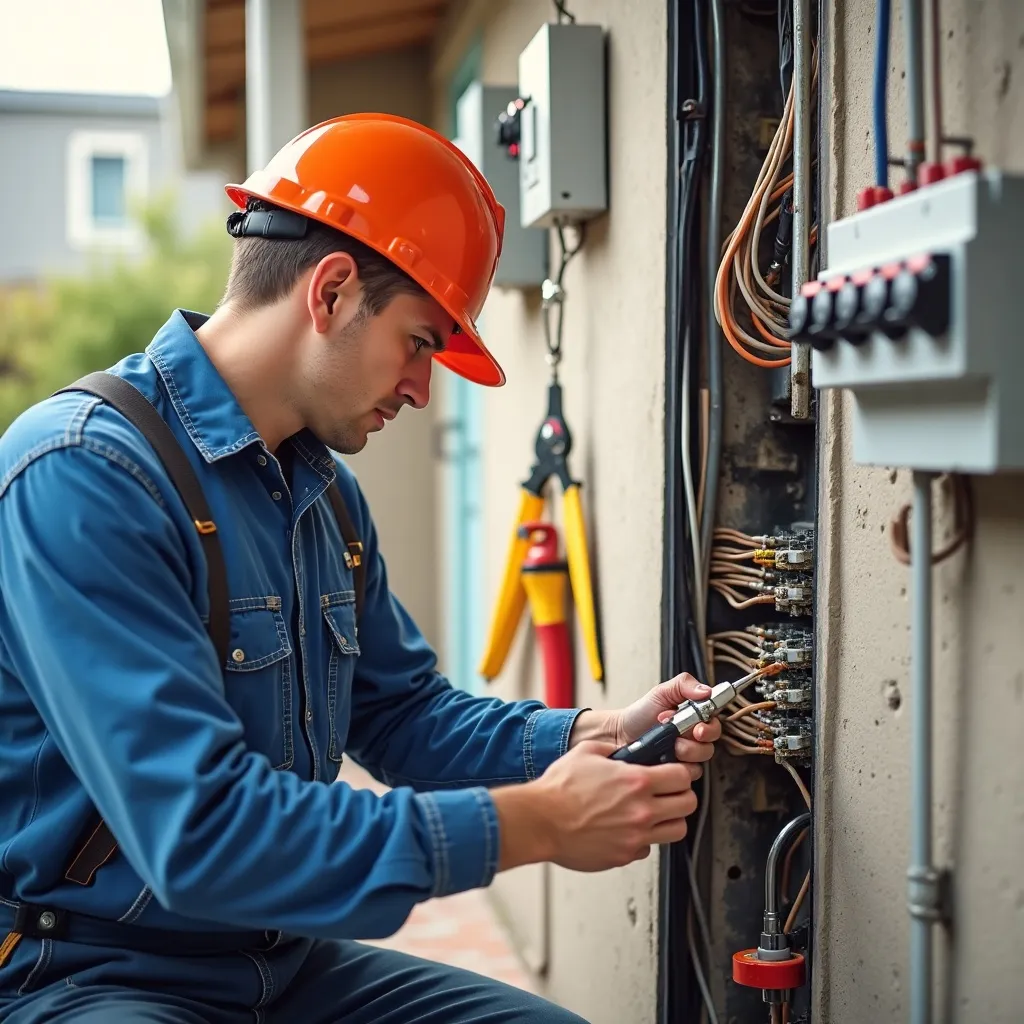
Key Features of a Honest Electrical Contractor
When determining an electrical contractor, it is essential to recognize the important qualities that ensure trustworthiness. A solid contractor must maintain valid credentials and protection, ensuring alignment with local regulations and defense from potential liabilities. Experience in the field is another significant factor; seasoned contractors are more adept at managing various electrical issues and grasping complex systems.
Additionally, superior communication abilities are vital, enabling contractors to detail procedures and tackle customer issues distinctly. A dependable contractor also demonstrates transparency, supplying clear pricing and circumventing concealed charges. Moreover, positive endorsements and client references can act as indicators of trustworthiness and superior workmanship. Finally, a commitment to start here lifelong learning reflects a contractor's pledge to remaining informed about professional standards and innovative technologies, which is fundamental for delivering dependable and proficient electrical work. These qualities collectively form the foundation of a trustworthy electrical contractor.
How to verify if Your Electrician Is qualified?
Confirming an electrician's skills is an vital step in establishing quality and protection in electrical projects. First, clients should ask to examine the electrical contractor's certification, which shows they comply with local and state requirements. Confirming insurance is equally important, as it shields residents from legal responsibility in the event of mishaps. Besides, looking for qualifications from reputable organizations can suggest specialized expertise and capability.
Property owners can also ask about the electrical expert's experience in particular types of electrical work relevant to their requirements. Reading client feedback and testimonials from previous clients provides insights into the electrician's dependability and professionalism. Furthermore, open discussion can demonstrate the electrician's willingness to explain their qualifications and approach to the assignment. By taking these steps, property owners can ensure they employ a qualified electrician able to provide secure and efficient electrical services.
Why Experience Counts for Electrical Contractors
Experience holds an key role in the efficiency of electrical contractors. A verified skill set, rigorous adherence to safety compliance standards, and effective problem-solving expertise serve as hallmarks of seasoned professionals. These aspects don’t just raise work excellence but also provide a more secure environment for clients.
Established Capabilities
A skilled electrical expert supplies extensive competency that directly influences the quality and safety of electrical work. Their proven technical foundation covers an ample scope of proficiencies, including troubleshooting, deployment, and upkeep of electrical systems. Experience grants them to quickly identify issues rapidly and deploy productive answers, minimizing operational interruptions and preserving peak functioning. Additionally, mature experts are familiar with the contemporary technologies and progressive developments, enabling them to extend advanced solutions customized to bespoke stakeholder requirements. Their hands-on experience likewise endows them with the hands-on expertise crucial to navigate demanding code requirements and legal mandates. By and large, a experienced electrical professional reinforces the reliability of installations and repairs, establishing confidence and credibility among patrons.
Safety Compliance Standards
Understanding the intricate domain of safety compliance standards demands a comprehensive grasp and practical knowledge that only experienced electrical contractors possess. These specialists are knowledgeable in local, state, and national regulations, ensuring that all installations and repairs meet the highest safety protocols. Their expertise allows them to recognize potential hazards and implement preventative measures effectively. Moreover, knowledge of industry standards, such as the National Electrical Code (NEC), is essential for maintaining compliance and safeguarding lives. A competent electrical contractor not only emphasizes safety but also performs thorough inspections to identify any discrepancies. This dedication to compliance not only decreases risks but also improves the longevity and reliability of electrical systems, ultimately benefiting clients and the broader community.
Solution-Finding Mastery
Dealing with complex electrical challenges demands acute problem-solving skills that seasoned electrical contractors bring. Their considerable background equips them to rapidly diagnose problems and apply effective solutions, reducing downtime and ensuring safety. Unlike less experienced contractors, they have encountered a broad range of situations, enabling them to foresee possible challenges before they happen. This foresight leads to smooth project execution and decreased costs for clients. Furthermore, their knowledge of different systems and technologies helps them adapt to changing industry standards effectively. Ultimately, the problem-solving skills of skilled electrical contractors not only enhance the quality of installations and repairs but also build credibility and reliability in their services. Experience is indeed an invaluable resource in this domain.
Why Transparent Cost Is Important
Why is clear pricing necessary in the electrical service industry? Open pricing builds confidence between contractors and clients, providing clarity in financial expectations. When clients receive detailed estimates that list labor, materials, and possible extra costs, they can decide wisely without the fear of surprise fees. This openness nurtures a favorable association and drives repeat business.
Furthermore, transparent rates enables clients to evaluate offerings efficiently, allowing them to choose service providers who provide fair and honest rates. It reduces confusion and conflicts, simplifying the project flow. A respected electrical contractor who practices clear pricing shows expertise and accountability, reinforcing their commitment to quality service. Ultimately, openness in pricing not only improves customer satisfaction but also contributes to a contractor's reputation in a challenging market, resulting in long-term success.
Important Expectations During the Electric Contracting Process
During the electrical services process, clients can foresee a organized framework that commences with an initial consultation. This meeting allows the contractor to determine requirements and discuss potential solutions. Following this, the installation and repair steps are executed with meticulous care and compliance with safety regulations.
Introductory Consultation Process
What should one expect when beginning the electrical contracting procedure? The initial consultation acts as a critical step for the client and contractor alike. During this discussion, the contractor covers the client's requirements, aims, and any detailed requirements for the project. They will assess the site, identifying potential difficulties and advantages. Clients should come ready to raise questions about timeframes, costs, and the contractor's credentials. The contractor generally offers insights into the latest tools and solutions that correspond with the client's vision. This stage often comprises detailed talks about abidance with local standards and safety rules. Ultimately, the initial consultation creates the foundation for a honest working relationship, confirming both parties are in agreement before proceeding.
Mounting and Correction Guidelines
Once the opening consultation has finished, the installation and repair process initiates with a extensive assessment of the project demands. The electrical contractor evaluates existing systems, finds potential issues, and plans a plan that describes necessary materials and timelines. Following this assessment, the contractor acquires any required permits and licenses to maintain compliance with local regulations.
Next, the assembly or servicing work is implemented, which may demand electrical components, fixture installation, or equipment upgrades. Throughout the process, the contractor maintains open communication with the client to address any reservations. After accomplishment, a final inspection confirms that everything upholds safety standards and functions correctly. The contractor provides guidance on maintenance and operation, assuring the client possesses confidence in their electrical system.
Establishing Faith With Your Electrical Contractor
Developing reliance with an electrician is necessary for producing a successful project outcome. This bond promotes open interaction, permitting clients to articulate their needs and apprehensions while contractors give expert advice and straightforward pricing. A contractor's reputation plays a important role; confirmed qualifications, strong reviews, and past project endorsements can considerably shape a client's faith.
In addition, clarifying clear guidelines on timelines, costs, and responsibilities fosters a base of trustworthiness. Regular updates throughout the project can strengthen confidence, as clients sense informed and engaged.
Additionally, a credible contractor will be forthright about potential issues and answers, showing integrity and professionalism. Ultimately, fostering relationships not only produces better teamwork but also assures that the electrical work is performed to the highest standards, ensuring safety and satisfaction for all parties involved.
Regularly Posed Questions
What Forms of Electrical Services Do Contractors Typically Provide?
Electrical contractors generally offer offerings including wiring installations, circuit repairs, illumination design, panel upgrades, troubleshooting, and maintenance. They also conduct safety evaluations, energy reviews, and can support renewable energy setups, ensuring compliance with regulations.
How Can I Prepare for an Electrician's Appointment?
To get ready for an electrician appointment, one should clear the work area, ensure convenient access to outlets and panels, collect pertinent paperwork, and compile specific issues or questions to discuss during the appointment.
What Safety Standards Do Electrical Contractors Implement?
Electrical contractors stick to comprehensive safety guidelines, such as wearing personal protective equipment, guaranteeing correct tool application, complying with electrical standards, conducting risk assessments, servicing tools and apparatus, and implementing lockout/tagout procedures to prevent accidental energization during work.
Do Electric Contractors Maintain Insurance and Bonding Protection?
Yes, electrical contractors are usually warranted and bonded. This warrants protection against liabilities and impairment during assignments, delivering clients with comfort and shielding both parties involved in the binding contract.
How Can I Deal With Electrical Emergencies?
During electrical crises, you should promptly shut off the power, keep away from water, and contact a certified electrician. Keeping calm and protecting yourself is essential before professional assistance reaches you to handle the issue.
Report this page